VENTA LAS VACAS
- Studio
- Bas - Capo
- Client
- Uvas Felices
- Year
- 2010
- Techniques
- Estampación
- Relieve
- Clavado
- Tintas directas
- Serigrafía
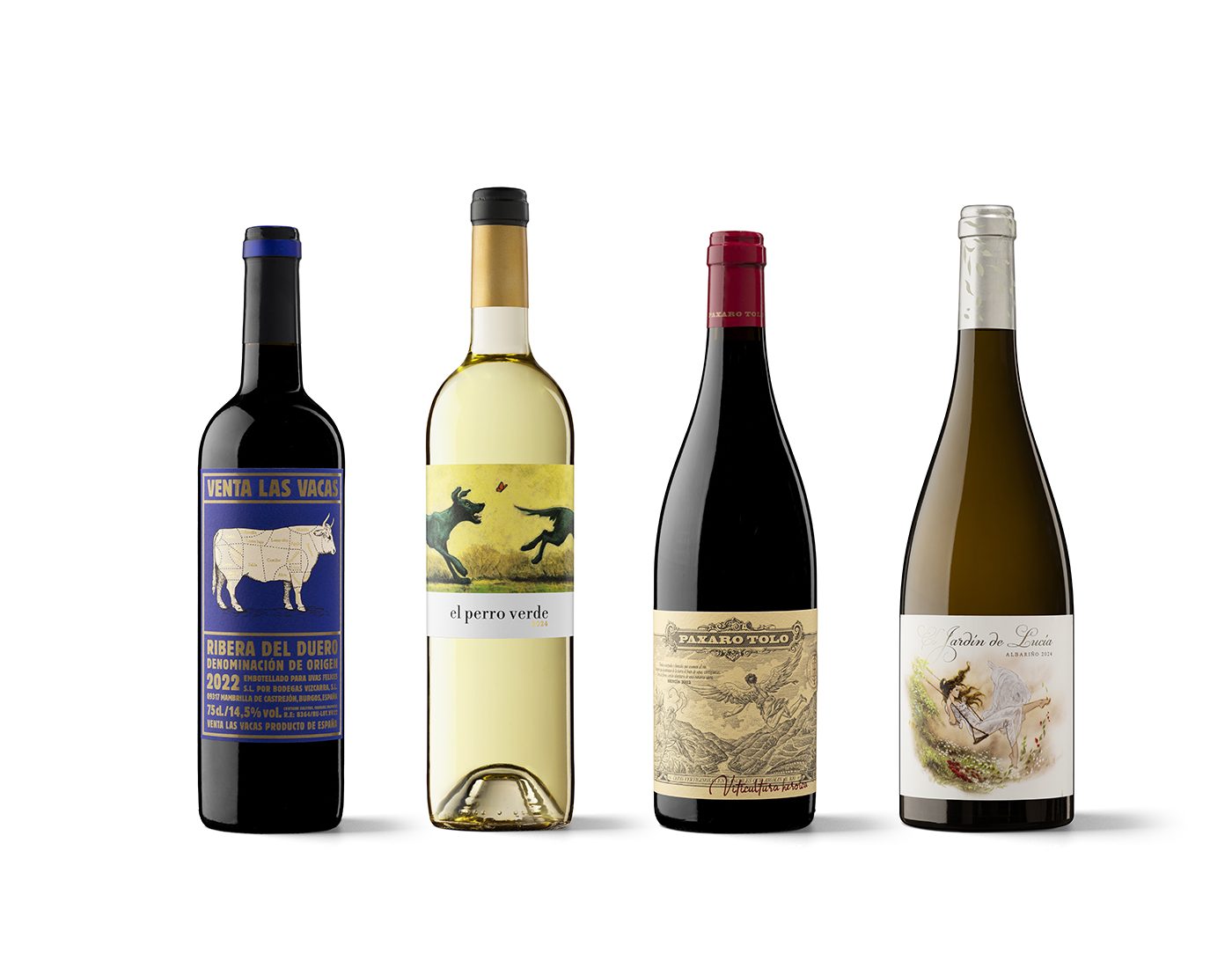
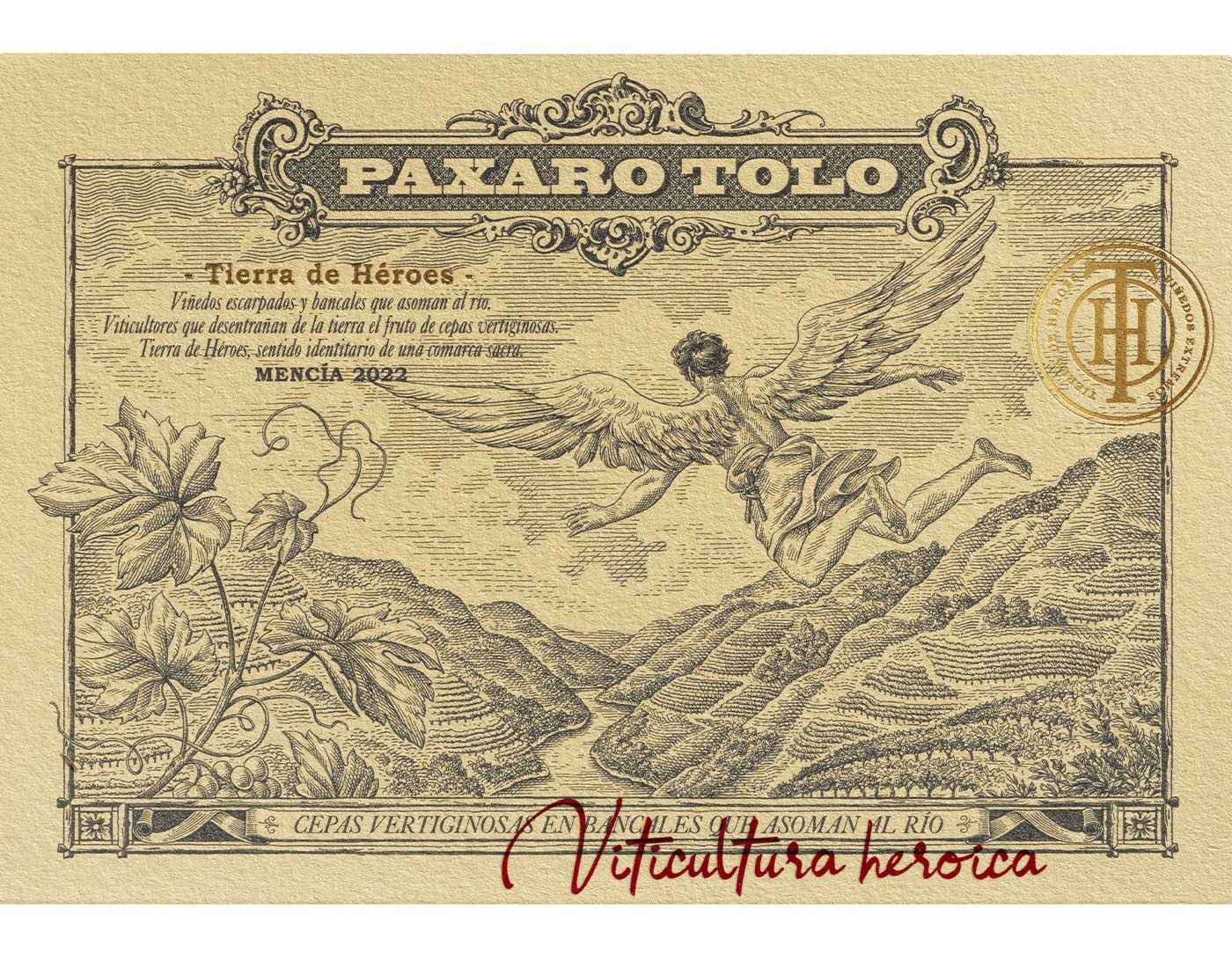
There are some visually stunning wines. El Jardín de Lucía, Paxaro Tolo, Venta Las Vacas and the renowned Perro Verde all share the same highly seductive graphic language: illustration. The winemaker and distributor Quim Vila, the creator of these brands, reveals the importance of wine’s image and communication in this interview. He is one of the most experienced and consistent clients of packaging design in the Spanish wine market for good reason.
Some of his responses were originally published in the ADG Laus 2024 awards book, which recognised the contribution of the company Vila Viniteca to graphic design and visual culture with an Honorary Laus.
Just how important is a wine label? Wine enters through sight. It is ‘drunk’ through the eyes. In a wine shop, for example, we are attracted above all by visual aspects. By colour, beauty, illustrated motifs, lettering. Or because a label evokes memories for us, confirms expectations or simply catches our eye.
Does this also happen to you as a specialist? It’s always happened to me. My first encounter with an exceptional wine, Belondrade y Lurton, one of the finest whites in Spain, was through its orange label. I first saw it at a wine fair, at the D.O. Rueda stand, among many other bottles. Its visual appeal made me order a bottle to try it. I loved it and ended up managing its distribution. It has been a resounding success ever since, and it all started with that first impression.
What’s a label that works like? There’s no one answer; it depends on the situation, on intuition and chance. And there are always surprises: some labels seem counterintuitive but have become established, while others are too ahead of their time and therefore don’t catch on.

What’s the most important thing for communicating wine? That it’s very good. These days, if the wine isn’t any good, you can dress it up with the best design, hire a celebrity to advertise it or dedicate social media posts to it. It won’t work. Most pre-designed projects, what we call ‘marketing wines’, have been failures. They might get consumers to try a wine once, but not again. We can invent a fantastic label and a fine campaign, but the wine itself will only last three vintages because it won’t have any depth.
In the case of El Perro Verde or Jardín de Lucía, are they just marketing wines, or is there more to them? They have a lot more. They wouldn’t still be selling if they were just a pretty label. They have extremely high quality and standards, which is why they’ve been on the market for years.
Good quality with a groundbreaking label. But how do you create one and get it right? The information we obtain from individual customers is extremely important; it gives us a good overview of what is happening in the market. There are always surprises later, things that don’t work or things that we thought wouldn’t fit, but which end up turning out really well. For example, when I presented the name and label for El Perro Verde to my team, they weren’t very impressed. Many thought we wouldn’t sell a single bottle, but it’s been a huge success.
Do you carry out any prior analysis before deciding on a launch? Our market research focuses on Vila Viniteca stores in Barcelona and our clients, ranging from restaurants to online retailers. Once the launch has been decided upon, we go all out, investing heavily in communication.
What is today’s wine consumer like? He or she has little brand loyalty, an explorer who wants to taste new things. This is why a brand must continually engage with them through communication, presentations and events.
As a consumer, what wines do you like? I drink very different ones: I like diversity. I like a lot of music, a lot of artistic expressions and a lot of wines. I think it’s important to maintain a certain Renaissance vision and be open and inquisitive about many things.
Wine always with food? No. Neither always with food nor always with someone. You can drink any wine you want, whether you’re alone or with someone, on a terrace, on the beach or watching a football match. Restaurants are important; they’re like going to the opera, but you can also listen to opera or whatever you feel like at home.
A particularly exciting wine. Fortunately, there are many. But the answer would be a moment. For me, it would be a tasting session with Madame Lalou Bize-Leroy, the grand dame of Burgundy, whose wines left us speechless. Everyone can find their moment.
What’s your take on the wine design scene? Better than ever. Given that the weight of tradition hasn’t been as strong here, or perhaps because wine tradition hasn’t been as closely linked to branding, there has been more freedom for creativity. If we look at Bordeaux, for example, the visual clichés are so powerful and immutable that they leave little room for design innovation. In France, the most innovative and fun labels are created by young producers of alternative, natural wines. Without any traditional codes or ties, they dare to create different images because their world is new.